
Cómo preparar el cabello sintético antes de la instalación
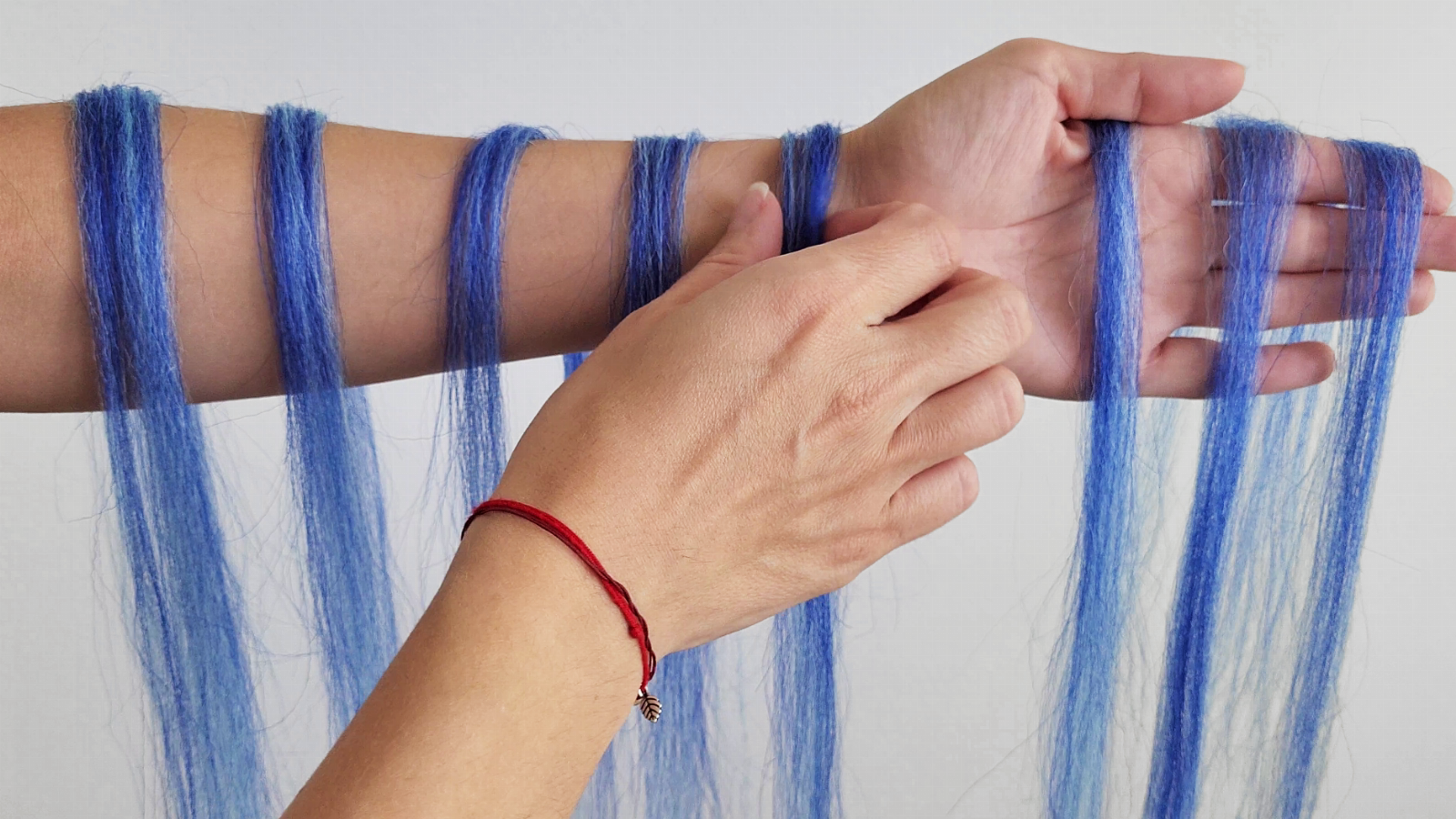
Preparar el cabello sintético antes de su instalación no es un paso menor entre bastidores. Es parte de la técnica. La forma en que se abre, separa, estira, mezcla, controla y coloca el cabello antes de comenzar la primera trenza afecta todo el estilo final. Una mala preparación puede crear enredos, raíces voluminosas, trenzas de tamaño desigual, puntas ásperas, cabellos sueltos y tensión innecesaria durante la instalación. Una buena preparación ayuda a la persona que realiza las trenzadora a trabajar más rápido, mantener el tamaño de la trenza uniforme y crear un resultado más suave desde la primera sección hasta el final. En el trenzado profesional, el cabello sintético nunca debe tratarse como algo que simplemente se saca del paquete y se fuerza para formar la trenza. Debe prepararse para el estilo, el cabello de la clienta y el método que se utilice.
Inspecciona el cabello antes de usarlo.
El primer paso es inspeccionar el cabello antes de usarlo. El cabello sintético puede variar según la marca, la textura, la densidad, el acabado y la calidad de la fibra. Algunos paquetes se sienten suaves y lisos, mientras que otros se sienten secos, resbaladizos, ásperos o enredados. Algunos cabellos ya vienen preestirados, y otros necesitan ser desfilados a mano. Algunas fibras se adhieren bien para trenzas con extensiones, trenzas sin nudos, trenzas de caja y giros senegaleses, mientras que otras se deslizan demasiado y dificultan el proceso de ocultarlas. Un trenzadora profesional debe comprobar cómo se comporta el cabello antes de colocarlo en la cabeza de la clienta. Si el cabello se enreda al separarlo, probablemente se enredará al trenzarlo. Si las puntas son demasiado romas, la trenza puede quedar pesada. Si la fibra es demasiado sedosa, el cabello natural puede ser más difícil de ocultar dentro de la extensión.
Abrir el paquete correctamente es fundamental. Muchos principiantes separan el cabello sintético con demasiada fuerza, lo que crea nudos y secciones desiguales incluso antes de comenzar la instalación. El cabello debe abrirse con cuidado, sacudiéndolo suavemente si es necesario, y separándolo de manera que las fibras se mantengan alineadas. Si el cabello viene doblado, comprimido o retorcido, debe alisarse antes de dividirlo en secciones. Trabajar con cabello sintético desordenado dificulta el trenzadora posterior, ya que las manos deben desenredarlo mientras intentan controlar la trenza. Una preparación limpia proporciona un mejor ritmo a las manos y hace que la instalación se sienta más organizada.
Separa y combina el cabello con el estilo.
La separación previa del cabello es una de las mejores prácticas para el trabajo profesional. Si la trenzadora espera a que la trenza ya esté comenzada para tomar mechones al azar del paquete, el tamaño de la trenza será inconsistente. Un mechón puede ser demasiado fino, el siguiente demasiado grueso, y el estilo final puede verse desigual entre filas. La separación previa permite a la trenzadora controlar el tamaño antes de comenzar el servicio. Para las trenzas con extensiones, los mechones más pequeños deben estar listos para el inicio, con mechones ligeramente más grandes preparados para el crecimiento gradual. Para las trenzas sin nudos, el cabello añadido debe organizarse de manera que la raíz se mantenga suave y la trenza crezca de forma natural. Para las trenzas de caja y los giros, cada sección de cabello sintético debe coincidir con el tamaño de la trenza planificada y la fuerza de la base.
La cantidad de cabello sintético siempre debe ajustarse al cabello natural de la clienta. Una sección densa y fuerte generalmente puede soportar más material que una sección fina o frágil. La línea del cabello, las sienes y la nuca suelen requerir mechones más ligeros que el interior de la cabeza. Esta es una de las razones por las que la preparación no debe hacerse a ciegas. Si cada mechón de cabello sintético es exactamente del mismo tamaño, la trenzadora podría terminar aplicando demasiado peso en zonas delicadas. Un profesional considera dónde se utilizará cada mechón. El objetivo no es usar la máxima cantidad de cabello, sino la cantidad justa para una cobertura impecable, una tensión cómoda y un acabado equilibrado.
Prepara los extremos, el color y la textura.
El cabello preestirado puede ahorrar tiempo, pero aún requiere atención. Muchos estilistas eligen cabello preestirado para trenzar porque las puntas ya están afiladas y la fibra es más fácil de terminar. Esto puede ser muy útil para trenzas largas tipo Box Braids, Knotless Braids, Feed-In Braids y estilos donde las puntas suaves son importantes. Pero listo para usar no significa listo para usar sin planificación. El cabello aún necesita separarse en secciones uniformes, revisarse para detectar enredos y ajustarse a la densidad del cabello y el tamaño de la trenza de la clienta. Si el cabello preestirado es demasiado sedoso, demasiado ligero o demasiado voluminoso para el estilo planeado, el trenzadora aún puede necesitar modificar la cantidad o combinarlo con una textura diferente.
Cuando el cabello no está preestirado, puede ser necesario desfilarlo o afinarlo. Las puntas sintéticas rectas pueden hacer que las trenzas se vean pesadas y rígidas en la parte inferior. Las puntas desfiladas crean un acabado más suave y ayudan a que la trenza se estreche de forma más natural. El objetivo es crear una forma gradual, no un mechón desordenado e irregular. La trenzadora debe estirar y separar las puntas con cuidado para que el cabello sintético no se enrede antes de la instalación. Este paso es especialmente importante cuando la trenza necesita un acabado liso y ligero. Un afinado limpio hace que la parte inferior de la trenza se vea más profesional y también puede facilitar el sellado o el acabado.
La preparación del color es otra parte importante del trabajo con cabello sintético . Si el peinado utiliza un solo color, la trenzadora debe asegurarse de que el tono sea uniforme en todos los paquetes. Si el peinado incluye mechas, ombré, mezclas personalizadas o acentos de color, el cabello debe mezclarse antes de comenzar la instalación. Mezclar el color a mano durante la trenza puede crear una distribución desigual y retrasar el servicio. Un mejor enfoque es preparar la mezcla con anticipación, revisarla con buena luz y crear una pequeña muestra si es necesario. Cuando el color se planifica correctamente, las trenzas terminadas lucen intencionales en lugar de aleatorias. Esto es especialmente importante con tonos de alto contraste como rubio, rosa, menta, gris, borgoña o colores de acento brillantes.
La textura del cabello sintético debe ser adecuada para la técnica. La fibra lisa puede ser hermosa para ciertos estilos, pero puede ser más difícil de sujetar en trenzas con extensiones o de colocar alrededor del cabello natural con más volumen. La fibra texturizada permite un mejor control, pero si es demasiado áspera, puede enredarse o crear una superficie menos pulida. El cabello sintético rizado requiere un proceso de preparación diferente, ya que el patrón de rizo debe conservarse a la vez que se separa lo suficiente para su instalación. Para trenzas bohemias o estilos con rizos añadidos, quien realiza las trenzadora debe decidir dónde se colocarán los mechones rizados antes de comenzar. Si los rizos se añaden al azar, el estilo final puede verse desigual o recargado.
Respetar la sensibilidad y el control del producto.
Algunas clientas pueden ser sensibles al cabello sintético. Si una clienta tiene antecedentes de picazón, ardor, irritación o molestias con ciertas fibras, debe hablarlo antes de la instalación. La trenzadora no debe ignorar la sensibilidad solo porque el cabello se vea bien en el paquete. En algunos casos, la clienta puede necesitar una fibra diferente, una preparación más limpia del cuero cabelludo , menos producto o un tiempo de uso más corto. Si la clienta reporta una fuerte irritación durante o después de la instalación, se debe reevaluar el peinado. Las estilistas no deben diagnosticar afecciones médicas, pero deben tomarse en serio las molestias y recomendar a la clienta que busque asesoramiento profesional si la irritación persiste.
Al preparar el cabello sintético, es importante usar los productos con cuidado. Algunos estilistas añaden espuma, aceite, laca o gel para suavizar la fibra, pero un exceso de producto puede hacer que el cabello se vuelva resbaladizo, pegajoso o pesado. También puede generar acumulación de residuos una vez colocado. En la mayoría de los casos, el cabello sintético debe prepararse mecánicamente primero: abrirse, alinearse, separarse, afinarse y organizarse. El producto solo debe añadirse cuando facilite la técnica, no para disimular una mala preparación. Si el cabello se enreda mucho, el problema puede deberse a la calidad de la fibra o a su manipulación, no a la falta de producto.
Organice la estación de trabajo para una instalación consistente.
Una estación de trabajo limpia facilita la preparación del cabello sintético . Tener el cabello precargado en un estante, mesa o en una configuración organizada ayuda a la trenzadora que trenzadora a mantener el ritmo durante el servicio. Cuando las piezas están listas, puede concentrarse en la división, la tensión y la colocación en lugar de detenerse para sacar cabello del paquete cada pocos segundos. Esto es especialmente útil para las trenzas con extensiones, donde el momento en que se agrega cada pieza afecta la apariencia de la trenza. También ayuda con los servicios de cabello completo, ya que el tamaño de la trenza se mantiene más uniforme desde la primera fila hasta la última. Una buena preparación ahorra tiempo porque elimina el caos durante la instalación.
Preparar el cabello sintético también contribuye a la comodidad de la clienta. Si el cabello se separa de forma desigual, la trenzadora puede crear trenzas demasiado gruesas en algunas zonas y más finas en otras. Si el trenzadora está enredado, puede tirar más durante la instalación. Si las piezas son demasiado grandes, la raíz puede verse voluminosa e incómoda. Una buena preparación reduce estos problemas. Permite crear la trenza con una tensión más uniforme, una integración más suave y un mejor control del peso. La clienta puede que no vea cada paso de la preparación, pero nota la diferencia cuando el peinado es más ligero, suave y cómodo de llevar.
Preparar el cabello sintético con intención
La preparación profesional se basa en la intención. Decide el estilo, elige la fibra adecuada, comprueba la textura, separa la cantidad correcta, afina las puntas si es necesario, planifica el color, organiza las piezas y mantén el material limpio y controlado antes de que toque el cabello de la clienta. Cuando el cabello sintético se prepara correctamente, la instalación es más sencilla y las trenzas terminadas lucen más pulidas. La raíz se asienta mejor, el largo se ve más equilibrado, la colocación del color se ve más intencionada y la trenza es más fácil de terminar. Una buena preparación del cabello sintético no supone un trabajo extra. Es la razón por la que la trenza puede verse limpia, sentirse cómoda y mantener su forma desde la instalación hasta el desmontaje.