
Por qué las secciones pequeñas pueden causar grandes problemas
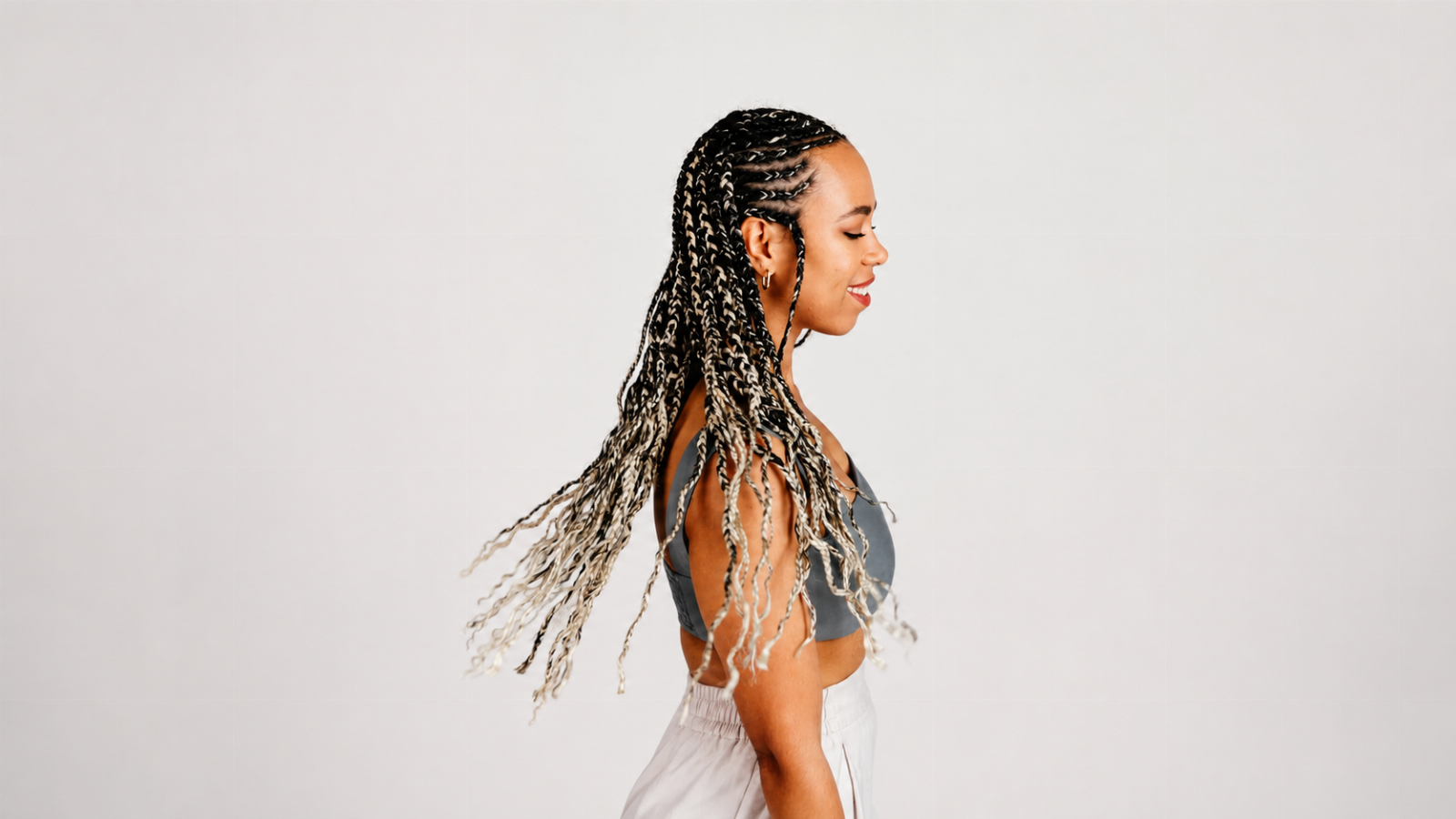
Las secciones pequeñas pueden parecer limpias, detalladas y profesionales a primera vista, pero en el trenzado no son automáticamente la opción más segura o mejor. Una base pequeña puede convertirse en un gran problema cuando tiene que soportar demasiado cabello, demasiada tensión o demasiada longitud. Esto es especialmente importante en las trenzas de caja, trenzas sin nudos, microtrenzas, trenzas pegadas al cuero cabelludo, trenzas con extensiones y cualquier estilo protector donde la trenza permanece puesta durante semanas. Una cuadrícula limpia es valiosa, pero la sección debe hacer más que verse pulcra. Debe sostener la trenza durante su uso real: al dormir, lavar, peinar, sudar, hacerse coletas y en el movimiento diario.
Haga coincidir la sección con la trenza
La base de cada trenza funciona como el fundamento de una estructura. Si la base es demasiado pequeña para la trenza, el peso se concentra en menos mechones naturales. Esto puede hacer que la trenza se sienta apretada incluso cuando quien la trenzadora no tira con fuerza. La clienta puede sentir presión en la raíz, dolor al mover la cabeza o incomodidad al recoger las trenzas en una coleta. El problema no siempre radica en el patrón de la trenza en sí. A menudo, la dificultad reside en que la sección no era lo suficientemente grande o resistente para soportar la cantidad de cabello, la longitud o la tensión aplicada.
Una de las razones por las que las secciones pequeñas resultan tentadoras es que permiten lograr un estilo muy preciso. Las secciones se ven detalladas, las filas nítidas y el resultado final puede parecer más sofisticado. Sin embargo, la precisión no debe ir en detrimento de la comodidad ni de la salud del cabello. Un trenzadora profesional debe pensar más allá de la foto y considerar cómo se comportará el peinado después de varios días. Una trenza que luce hermosa en la silla, pero que se tensa cada vez que la clienta gira la cabeza, no es un resultado armonioso. Un trabajo impecable debe ser cómodo de llevar, no solo fotogénico.
La línea del cabello es una de las zonas más importantes a tener en cuenta. Las pequeñas secciones alrededor de los bordes, las sienes y la nuca pueden generar tensión innecesaria, ya que el cabello en estas zonas suele ser más fino, corto o frágil que el del interior de la cabeza. Si una pequeña sección en la línea del línea del cabello está cubierta de cabello sintético, el cabello natural puede no tener la fuerza suficiente para sostener la trenza cómodamente. Por eso, el perímetro no debe tratarse de la misma manera que la coronilla o la parte posterior. Un profesional puede usar una tensión más suave, piezas más ligeras, bases ligeramente ajustadas o una dirección de trenzado diferente cerca de las zonas delicadas.
Piensa en el desgaste, el peso y el desmontaje.
Las secciones pequeñas también pueden dificultar la remoción. Cuando un peinado tiene muchas bases pequeñas, hay más raíces que desenredar, más cabello suelto atrapado en la base y más posibilidades de que se acumule producto entre las secciones. Si la clienta lleva el peinado demasiado tiempo, esas secciones pequeñas pueden empezar a enredarse o entrelazarse cerca de las raíces. En ese caso, el desmontaje se vuelve más lento y delicado. Apresurarse al quitarlo puede provocar roturas, especialmente si el cabello está seco o si el cabello suelto se ha compactado alrededor de la base. Un plan de trenzado profesional debe considerar no solo la colocación, sino también una remoción segura.
Otro problema es el peso de las extensiones. Una sección pequeña puede funcionar bien si la trenza también es pequeña, ligera y está bien equilibrada. El problema surge cuando la trenza se vuelve más larga, gruesa o pesada de lo que la base puede soportar. Esto puede ocurrir con trenzas largas tipo caja, trenzas densas sin nudos, fibras sintéticas pesadas o estilos muy voluminosos donde la clienta busca un look impactante. Cuanto más pequeña sea la base, más cuidadosamente debe controlar la trenzadora la cantidad de cabello añadido. Más cabello no siempre significa un mejor resultado. A veces, solo significa más tensión en la raíz.
Las secciones pequeñas también pueden generar una falsa sensación de seguridad. Al principio, la trenza puede verse apretada y pulcra, dando la impresión de que se mantiene firme. Sin embargo, una trenza apretada no siempre es segura de forma saludable. Una trenza segura se sustenta en una base del tamaño adecuado, una tensión equilibrada y un peso apropiado del material. Una trenza apretada puede simplemente estar tirando demasiado de una pequeña cantidad de cabello natural. La diferencia es importante. Cuando la tensión se concentra en una base pequeña, el peinado puede resultar incómodo y ejercer una presión innecesaria sobre el cuero cabelludo al usarlo.
Utilice secciones pequeñas con criterio profesional.
Hay ocasiones en que las secciones pequeñas resultan útiles. Pueden ayudar a crear peinados detallados, patrones de trenzas más finos, microtrenzas o una cuadrícula muy pulida. Pero deben usarse con criterio. La trenzadora debe preguntarse qué se espera que lleve la sección. ¿La trenza es corta o larga? ¿Se añadirá cabello sintético ? ¿El cabello de la clienta es fino, denso, frágil o fuerte? ¿La clienta llevará las trenzas sueltas o se las recogerá con frecuencia? ¿El peinado durará poco tiempo o varias semanas? Estas preguntas ayudan a determinar si la sección pequeña es apropiada o si está generando riesgos sin ningún beneficio real.
La densidad es otro factor clave. Una clienta con cabello de alta densidad puede soportar secciones más pequeñas con mayor comodidad que una clienta con cabello de baja densidad. Sin embargo, la densidad no es uniforme en toda la cabeza. La coronilla puede tener abundante cabello, mientras que las sienes pueden tener poco. La parte posterior puede ser densa, mientras que la línea del cabello frontal puede ser delicada. Un trenzadora profesional no debe copiar el mismo tamaño de base en todas partes sin antes analizar la cabeza. La mejor opción suele ser un diseño personalizado: secciones más pequeñas donde el cabello lo permita, una colocación más ligera donde el cabello es frágil y un espaciado más preciso donde se necesite mayor cobertura visual.
A veces se utilizan secciones pequeñas para disimular el cuero cuero cabelludo , pero no siempre es la mejor solución. Si la clienta tiene poco cabello, hacer secciones diminutas puede generar puntos de presión sin resolver realmente el problema de la cobertura. Un enfoque más adecuado podría ser una cuadrícula más inteligente, como una colocación escalonada, un espaciado de filas ajustado o un tamaño de trenza que se adapte mejor a la densidad natural. La cobertura debe provenir de una buena planificación, no de sobrecargar la cabeza con demasiadas bases pequeñas. El objetivo es un estilo que se vea abundante pero que a la vez respete el cabello que hay debajo.
El producto también puede convertirse en un problema con secciones muy pequeñas. Cuantas más secciones, más lugares donde se pueden acumular gel, control de bordes, espuma, aceite y productos cuero cabelludo . Si se usa demasiado producto durante la instalación, las raíces pueden verse limpias por un tiempo, pero luego desarrollarán caspa, residuos o acumulación. Al desmontaje, esa acumulación puede dificultar la separación del cabello. Un trenzadora profesional debe usar el producto con moderación, especialmente al trabajar con cuadrículas detalladas. Una seccionado limpia debe lograrse primero con la técnica, no aplicando gel en cada línea.
La mejor manera de evitar problemas es probar la relación entre la base y la trenza antes de completar toda la cabeza. Crea una trenza del tamaño previsto y comprueba cómo se siente en la raíz. Deja que se mueva. Levántala suavemente. Pregúntate si se siente segura o apretada. Si la trenza tira bruscamente, se siente pesada o hace que el cuero cabelludo se mueva demasiado, la sección puede ser demasiado pequeña o la trenza demasiado pesada. Ajusta antes de continuar. Es mucho más fácil cambiar el plan después de una trenza que después de haber hecho varias filas.
Para trabajos profesionales, la regla es simple: se deben usar secciones pequeñas porque realzan el estilo, no porque automáticamente se vean más sofisticadas. Una base pequeña con la cantidad incorrecta de cabello puede causar incomodidad, rotura, dificultad para quitarlo y un uso desigual. Una base mediana bien planificada puede verse más limpia, sentirse mejor y durar más tiempo. Los mejores estilistas saben cuándo el detalle es útil y cuándo se convierte en un estrés innecesario. No eligen la sección más pequeña posible, sino la que ofrece el mejor equilibrio entre belleza, estructura, comodidad y seguridad.
Las secciones pequeñas pueden formar parte de un hermoso trabajo de trenzado, pero requieren criterio. La trenzadora debe considerar la densidad, la resistencia de la línea del cabello , el peso de las extensiones, la longitud de la trenza, el uso de productos, el tiempo de uso y el desmontaje. Si se ignoran estos detalles, las secciones pequeñas pueden generar grandes problemas. Cuando se planifican correctamente, pueden contribuir a resultados precisos, pulidos y profesionales. La diferencia no radica solo en el tamaño, sino en si la sección es lo suficientemente resistente para la trenza que debe sostener.