
Cómo lavar las trenzas sin crear frizz
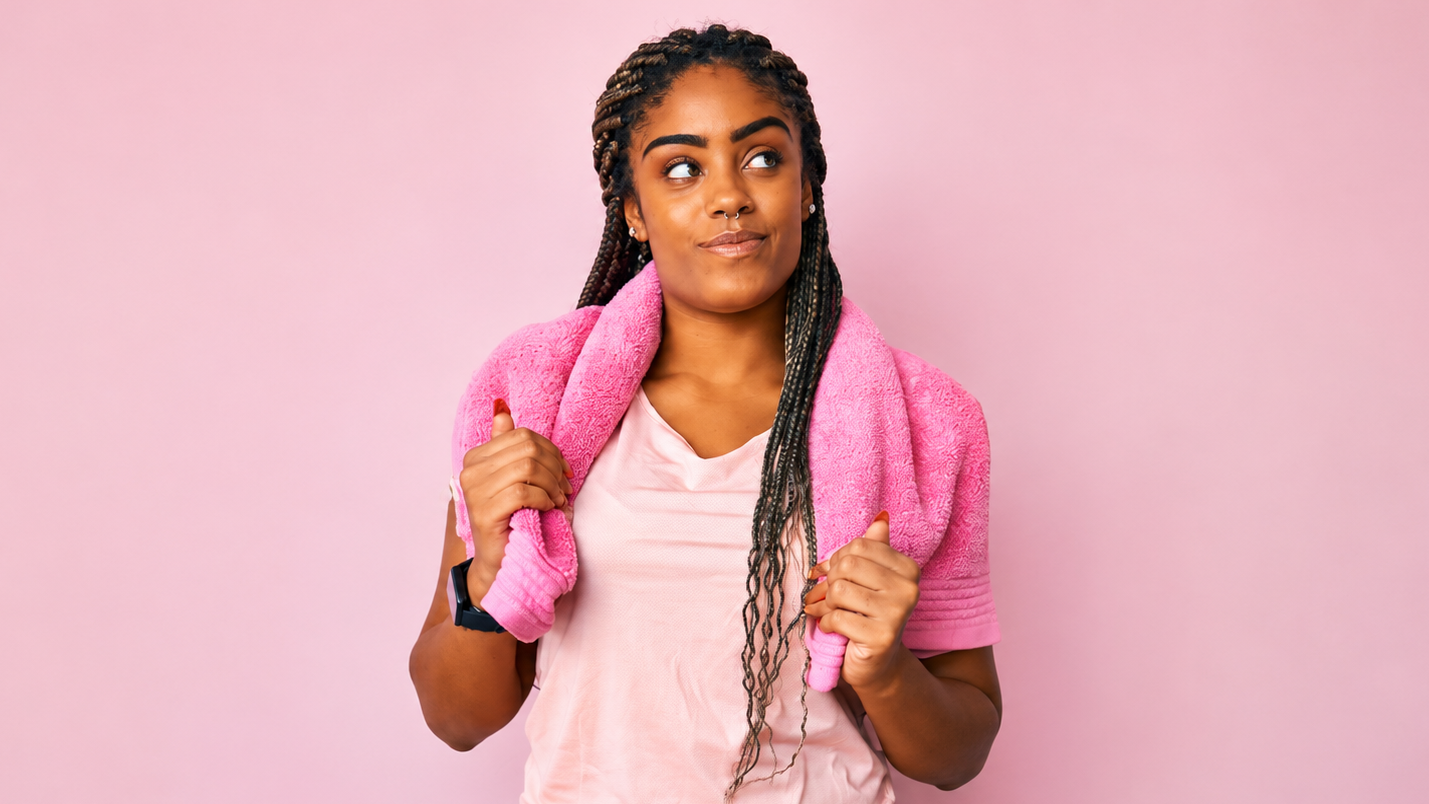
Lavar las trenzas sin que se encrespen comienza con la mentalidad adecuada. El objetivo no es frotar las trenzas como si fueran cabello suelto. El objetivo es limpiar el cuero cabelludo, eliminar el sudor y la acumulación de residuos, enjuagar con cuidado y secar el peinado por completo, alterando la superficie de la trenza lo menos posible. Muchas clientas evitan lavar las trenzas por miedo a que se encrespen, pero no lavarlas durante mucho tiempo puede causar picazón, mal olor, descamación, acumulación de productos y molestias en las raíces. Una rutina profesional de cuidado de trenzas debe mantener el cuero cabelludo limpio sin dañar el patrón de la trenza. Las trenzas limpias deben sentirse frescas, no pesadas ni cubiertas de residuos.
Concentra el lavado en el cuero cabelludo.
El primer paso es comprender dónde se necesita la limpieza. En la mayoría de los peinados con trenzas, el cuero cabelludo requiere mayor atención, no toda la longitud de la trenza. El sudor, la grasa, los productos y la piel muerta se acumulan cerca de las raíces y a lo largo de la raya. Ahí es donde generalmente comienza la picazón y la acumulación de residuos. La longitud de la trenza puede necesitar un enjuague ligero o una limpieza suave según el estilo, pero el cuero cabelludo debe ser la prioridad. Esto es especialmente cierto para las trenzas de caja, las trenzas sin nudos, las trenzas africanas, las trenzas con extensiones, los giros senegaleses y otros peinados protectores que se usan durante varias semanas. El lavado debe refrescar el cuero cabelludo sin forzar la estructura de la trenza a expandirse.
Antes de lavar, las trenzas deben prepararse. Si son largas, recójalas suavemente para que sean más fáciles de manejar, pero evite las coletas apretadas o tirar con fuerza de las raíces. Si el peinado tiene rizos sueltos, mechones estilo boho o detalles decorativos, sepárelos con cuidado antes de que el agua toque el cabello. La clienta no debe comenzar con un lavado agresivo. El agua hace que las trenzas sean más pesadas, y el cabello sintético mojado puede tirar más del cuero cabelludo si no se maneja con cuidado. Una preparación tranquila evita la tensión innecesaria durante el lavado. Las trenzas deben tratarse como un peinado terminado que necesita limpieza, no como cabello suelto que se puede frotar en todas direcciones.
Utilice champú diluido y movimientos suaves y direccionales.
El champú diluido o una espuma limpiadora ligera suelen ofrecer mayor control que aplicar un champú espeso directamente sobre el cabello. Cuando el champú está demasiado concentrado, puede acumularse entre las trenzas y dificultar el enjuague. Los restos de champú pueden secarse, formar residuos, provocar descamación y empeorar la sensación en el cuero cabelludo después del lavado. Una fórmula diluida se extiende con mayor facilidad a lo largo de las secciones del cabello y permite una limpieza con menos fricción. El producto debe aplicarse directamente sobre el cuero cabelludo y las secciones, y luego masajearse suavemente con las yemas de los dedos. No se deben usar las uñas, ya que rascarse puede irritar el cuero cabelludo y levantar el encrespamiento alrededor de las raíces.
La dirección del movimiento es importante. Frotar de un lado a otro sobre las trenzas puede dañar la superficie y arrancar cabellos naturales. En su lugar, limpie siguiendo las secciones y en la dirección en que el cabello está trenzado. Para las trenzas africanas y las trenzas con extensiones, siga la dirección de la trenza. Para las trenzas de caja y las trenzas sin nudos, concéntrese en los espacios entre las bases y masajee el cuero cabelludo suavemente sin retorcer las raíces. El objetivo es eliminar el sudor y la acumulación de residuos, no deshacer cada trenza. Un lavado suave puede requerir más paciencia, pero mantiene el peinado más limpio y suave que un frotamiento agresivo.
Enjuagar bien sin manipular bruscamente.
El enjuague es una de las partes más importantes del lavado de trenzas. Los residuos de producto son una de las principales razones por las que las trenzas se sienten pegajosas, con picazón o descamación después del lavado. Enjuaga más tiempo del necesario, especialmente alrededor de las raíces y la raya. Deja que el agua fluya en la misma dirección que las trenzas en lugar de voltear el cabello repetidamente. Si las trenzas son muy largas o densas, levanta secciones suavemente para que el agua llegue al cuero cabelludo. Evita retorcer o estrujar las trenzas con fuerza. Las trenzas mojadas son más pesadas, y un manejo brusco puede crear frizz, dañar las raíces y alterar la forma final.
El acondicionador debe usarse con cuidado. Los acondicionadores densos y las cremas espesas pueden ser difíciles de enjuagar de los peinados con trenzas, especialmente cerca de las raíces. Si la clienta busca suavidad o comodidad para el cuero cabelludo , un producto ligero que se enjuague, aplicado con moderación en el cuero cabelludo , o un acondicionador sin enjuague ligero aplicado después del lavado, puede ser mejor que cubrir todo el peinado. La trenza no debe sobrecargarse con producto cremoso, ya que puede acumularse entre las secciones. Para peinados protectores, el producto incorrecto puede generar más acumulación que beneficio. La mejor opción suele ser ligera, fácil de enjuagar y aplicada solo donde sea necesario.
Seca completamente las trenzas para evitar el encrespamiento y el mal olor.
El secado es donde muchas rutinas de lavado de trenzas fallan. Las trenzas pueden retener agua dentro del peinado, especialmente cuando se usa cabello sintético . Si las trenzas se dejan húmedas por mucho tiempo o se cubren antes de que estén completamente secas, la clienta puede notar mal olor, molestias en el cuero cabelludo o una sensación de pesadez en las raíces. Después del lavado, presione suavemente las trenzas con una toalla en lugar de frotarlas. Una toalla de microfibra o una toalla suave puede ayudar a reducir la fricción. Apriete hacia abajo a lo largo de la trenza para eliminar el exceso de agua, luego deje que el peinado se seque por completo. Dependiendo del grosor y la longitud de la trenza, el secado al aire puede llevar tiempo. Un secador con capucha o un secador de mano en una configuración cómoda puede ayudar, pero el calor no debe ser fuerte para el cuero cabelludo ni cabello sintético.
El encrespamiento suele aparecer al frotar la superficie de la trenza mientras está mojada. El cabello natural mojado es más flexible, y algunos cabellos pequeños pueden desprenderse de la trenza si la clienta frota, retuerce o seca con la toalla bruscamente. Por eso, una presión suave es mejor que la fricción. Si el peinado se ve ligeramente encrespado después del lavado, una espuma ligera puede ayudar a alisar la superficie una vez que las trenzas ya no estén mojadas. La espuma debe aplicarse ligeramente en la dirección de la trenza; luego, se puede envolver el peinado con un pañuelo o una tira de tela mientras se seca o se fija. La clave es alisar la superficie, no saturar el cabello con más producto.
Proteja la línea del cabello durante y después del lavado.
La línea del cabello requiere especial cuidado durante el lavado. Los bordes y los cabellos finos pueden encresparse rápidamente si se frotan con demasiada fuerza. También pueden sentirse sensibles si el peinado ya tiene tensión. Limpie la zona alrededor de la línea del cabello con suavidad, aplicando poca presión y una cantidad mínima de producto. Evite cepillar los bordes con fuerza justo después del lavado, especialmente si el cabello está mojado y frágil. Si la clienta desea un acabado pulido en la parte frontal después del lavado, espere a que la zona esté casi seca y, si es necesario, aplique una pequeña cantidad de producto. Una línea del cabello limpia y suave suele verse mejor y es más duradera que una que se cepilla y se cubre repetidamente después de cada lavado.
La frecuencia con la que se deben lavar las trenzas depende del cuero cabelludo de la clienta, su estilo de vida, los productos que usa y el tiempo que las lleva puestas. Alguien que hace ejercicio con frecuencia, suda mucho o usa más productos cuero cabelludo puede necesitar lavarlas antes que alguien con el cuero cabelludo más seco y una rutina más ligera. El objetivo no es lavarlas tan a menudo que el peinado se encrespe rápidamente, pero tampoco evitar lavarlas hasta que el cuero cabelludo se sienta incómodo. Un trenzadora profesional debe dar consejos realistas según el estilo. Las trenzas africanas y las trenzas con extensiones pueden mostrar frizz más rápido porque el cuero cabelludo y la superficie de la trenza están más expuestos. Las trenzas de caja y las trenzas sin nudos pueden tolerar el lavado de manera diferente, pero también necesitan cuidado del cuero cabelludo .
Mantén los cuidados posteriores sencillos después del lavado.
Las clientas también deben entender que lavar las trenzas no las hará lucir como nuevas para siempre. Un poco de frizz es normal, ya que el cabello natural se mueve, crece y reacciona al agua. El objetivo profesional es controlar el frizz, no fingir que nunca ocurrirá. Un cuero cabelludo limpio es más importante que un peinado que nunca se moje. La mejor rutina de lavado mantiene las secciones limpias, las raíces cómodas, la superficie de la trenza controlada y el cabello natural cuidado. Si la clienta evita lavarse el cabello durante demasiado tiempo, el peinado puede verse liso por fuera, pero sentirse poco saludable en la raíz.
Después del lavado, el cuidado posterior debe ser sencillo. Deje que las trenzas se sequen completamente, protéjalas por la noche con satén o seda, evite aceites pesados y la aplicación de múltiples productos, y refresque solo las áreas que lo necesiten. Si las trenzas se sienten pesadas, pegajosas o pican después del lavado, el problema podría deberse a restos de producto, un secado incompleto o demasiado acondicionador. Si el cuero cabelludo está dolorido, inflamado o inusualmente irritado, no debe ignorarlo. Los estilistas no deben diagnosticar afecciones del cuero cabelludo , pero deben animar a sus clientes a consultar con un médico si la molestia no mejora.
Lava las trenzas con control, no con fricción.
Lavar las trenzas sin que se encrespen es cuestión de control. Limpia el cuero cabelludo más allá del largo de la trenza, usa un producto diluido, sigue la dirección de la trenza, enjuaga bien, seca completamente y alisa la superficie solo después de que el peinado esté limpio. Esta rutina debe proteger tanto el peinado terminado como el cabello natural que hay debajo. Si se hace correctamente, lavar las trenzas no las daña. Ayuda a que el peinado se vea más fresco, dure más tiempo y brinde una experiencia más limpia y estilo protector desde que se coloca hasta que desmontaje.