
Cuando un mechón se adelgaza a mitad de la trenza: Cómo reequilibrar las secciones
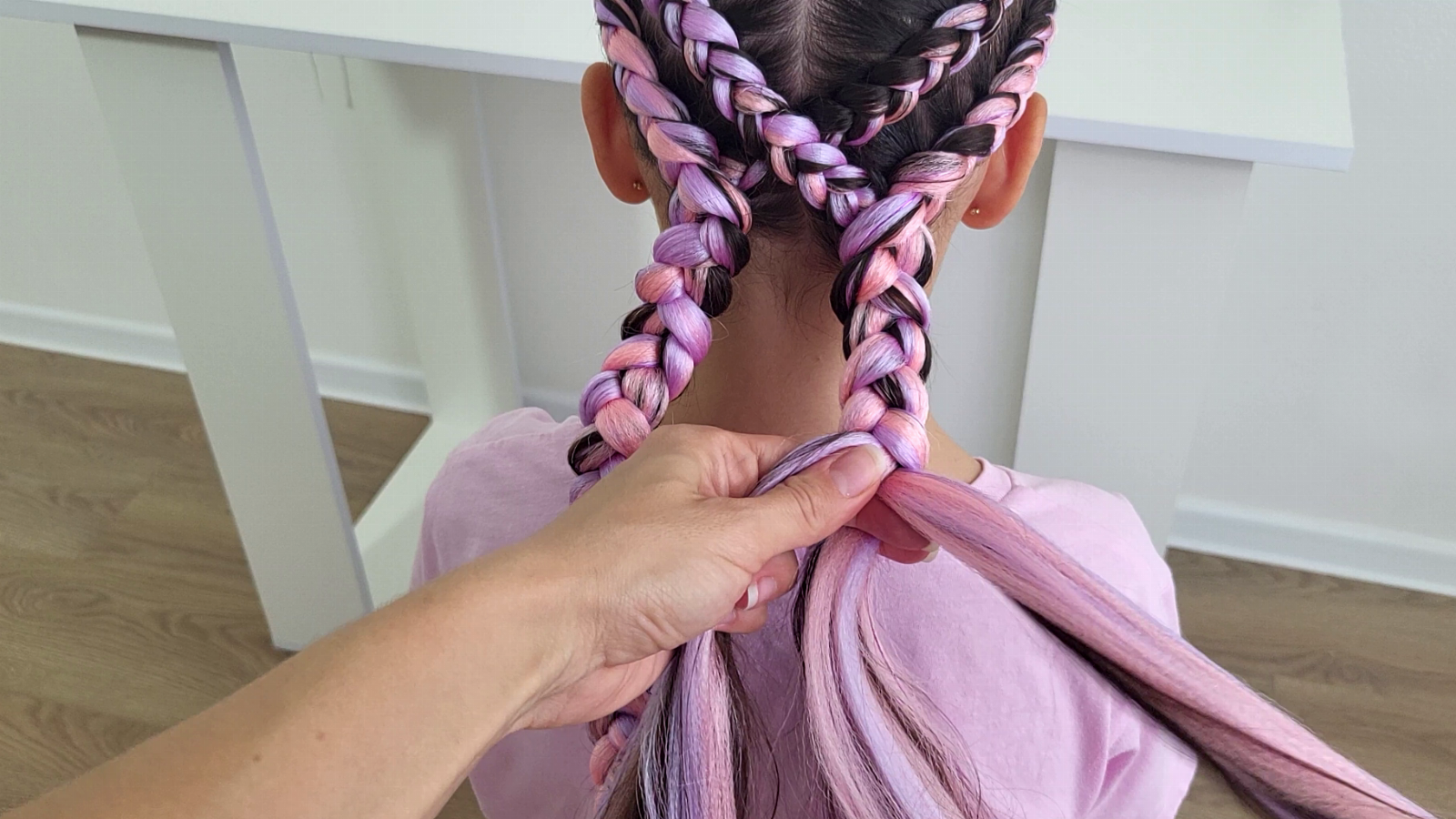
Cuando un mechón empieza a adelgazarse en el centro de una trenza, toda la estructura pierde el equilibrio. Al principio, el problema puede parecer pequeño: una sección se siente más ligera entre los dedos, un lado de la trenza se ve un poco más apretado o el patrón empieza a inclinarse hacia un lado. Pero si quien hace la trenzadora continúa sin corregirlo, la trenza generalmente se volverá desigual, estrecha en una zona, voluminosa en otra o suelta hacia las puntas. Esto sucede en trenzas simples de tres mechones, trenzas francesas, trenzas holandesas, trenzas de cinco mechones y también en estilos con cabello sintético añadido. El problema no es solo visual. El tamaño desigual de los mechones cambia la tensión, la forma y la manera en que la trenza se mantiene al usarla.
Comprender dónde comienza el desequilibrio
La razón más común por la que un mechón se vuelve más delgado es la distribución desigual del cabello. En una trenza básica, esto puede ocurrir cuando trenzadora toma más cabello en una sección mientras que la otra pierde volumen gradualmente. En las trenzas francesas y holandesas, suele deberse a tomas de cabello de diferente tamaño en ambos lados. Una mano puede tomar consistentemente un poco más de cabello, mientras que el otro lado recibe menos. La trenza aún puede seguir el patrón correcto, pero el equilibrio interno ya está roto. Una vez que el tamaño de los mechones cambia, la trenza comienza a reflejarlo en su forma. Un lado puede verse más apretado, un borde puede verse más débil y la trenza terminada puede no quedar uniforme en la cabeza.
Otra razón por la que esto sucede es el movimiento de las manos. Cuando las manos cambian demasiado rápido o se abren demasiado, pequeños mechones de cabello pueden salirse de una sección y ser arrastrados a otra. Esto es muy común cuando quien trenzadora intenta trabajar más rápido de lo que su control manual actual le permite. La trenza puede verse normal durante las primeras puntadas, luego un mechón comienza a perder densidad. Cuando la trenza llega a la mitad, la diferencia es obvia. La solución no es apretar más. Un agarre más fuerte a menudo rigidiza las manos y crea más tensión que control. Un mejor enfoque es ralentizar el movimiento, mantener las secciones de trabajo separadas y verificar el grosor del mechón antes de cada cruce.
Corrige el mechón antes de que la trenza pierda su forma.
La solución comienza con una pausa temprana. En cuanto notes que un mechón está más fino, detente antes de volver a cruzarlo. Abre ligeramente las secciones con las que estás trabajando y compáralas. El objetivo no es deshacer toda la trenza de inmediato. Primero, comprueba si el desequilibrio es lo suficientemente pequeño como para corregirlo en las siguientes puntadas. Si un mechón está solo un poco más fino, toma una pequeña cantidad de la sección más densa y guíala hacia la más fina antes de continuar. Esto debe hacerse con cuidado y gradualmente. Transferir demasiado cabello de repente puede crear un bulto o hacer que la trenza parezca irregular. Una corrección profesional debe integrarse al patrón para que la trenza terminada siga luciendo natural.
En las trenzas con recogida de cabello, el reequilibrio debe producirse con la siguiente recogida. Si el mechón derecho se está adelgazando, la siguiente recogida en ese lado debe ser un poco más limpia y precisa. Si el lado izquierdo ha estado cargando demasiado cabello, evite añadir más volumen allí. La trenzadora la trenza debe pensar en ella como una estructura en movimiento, no como tres piezas separadas que nunca cambian. Cada recogida afecta a las siguientes puntadas. Un pequeño desequilibrio puede corregirse si la trenzadora lo detecta a tiempo. Pero si la trenza ya ha avanzado varios centímetros con secciones desiguales, la mejor opción profesional puede ser deshacer una pequeña parte y empezar de nuevo desde el punto donde se perdió el equilibrio.
Con el cabello sintético, el mismo problema puede ocurrir por una razón diferente. Cuando el cabello añadido se coloca de forma desigual, una sección se vuelve más pesada y otra más débil. Esto es especialmente común en trenzas con extensiones, trenzas sin nudos, trenzas de caja y patrones de trenzas decorativas donde la trenzadora maneja tanto cabello natural como material de extensión. Si se añade demasiado cabello sintético a un solo mechón, la trenza puede verse repentinamente más gruesa en un lado. Si el cabello natural no se coloca uniformemente dentro de la extensión, un mechón puede adelgazar mientras que otro se vuelve voluminoso. La solución es reducir el tamaño del siguiente mechón añadido, colocarlo con más cuidado y asegurarse de que el cabello añadido sostenga la trenza en lugar de sobrecargarla.
Una regla importante es no intentar nunca disimular un mechón fino apretándolo. Tirar con más fuerza de una sección delgada puede hacer que la trenza se vea temporalmente más limpia, pero no restablece el equilibrio. Además, puede generar una tensión innecesaria en el cabello natural, especialmente cerca del cuero cabelludo o alrededor de la línea del cabello. Un mechón delgado bajo una fuerte tensión es más débil que un mechón equilibrado bajo una tensión controlada. El trenzado profesional depende de una distribución uniforme. La trenza debe sentirse segura porque las secciones están organizadas, no porque una pequeña sección se esté estirando para compensar un error técnico.
Practica el reequilibrio hasta que se vuelva automático.
También existe una forma visual de detectar el problema antes de que empeore. Observa la trenza desde arriba y desde un lado mientras trabajas. Si la línea central comienza a desviarse, si un borde exterior se ve más afilado que el otro, o si la trenza comienza a girar, es probable que las secciones no estén equilibradas. Es posible que sientas el problema antes de que lo veas. Un mechón más ligero se siente diferente. Se mueve más rápido, se cruza con demasiada facilidad y puede que no mantenga la misma tensión que las demás secciones. Quienes trenzan deben aprender a confiar en esa sensación. Cuando una sección se siente repentinamente débil, es una señal para detenerse y reequilibrarla, no para seguir acelerando.
Para practicar, usa tres colores diferentes de cabello sintético o material de entrenamiento. Esto facilita ver el equilibrio de los mechones. Si la sección azul empieza a desaparecer o la rubia empieza a predominar, quien realiza las trenzadora puede ver inmediatamente qué movimiento de la mano causó el problema. Este ejercicio es especialmente útil para principiantes porque convierte un problema técnico invisible en algo visual. También ayuda a quienes tienen más experiencia a corregir hábitos que tal vez no noten al trabajar con un solo color. Una vez que las manos comprenden cómo se sienten las secciones iguales, resulta más fácil mantener el equilibrio en el cabello natural.
Otro método práctico útil consiste en trenzar lentamente el primer tercio, hacer una pausa y revisar las tres secciones. Continúa hasta la mitad y vuelve a revisar. Termina la trenza y compara el ancho de arriba abajo. Si la trenza se estrecha demasiado rápido, significa que las secciones se están perdiendo o tirando de forma desigual. Si la trenza se vuelve voluminosa en una zona, significa que se está añadiendo o transfiriendo demasiado cabello a un solo mechón. El objetivo no es que cada trenza sea matemáticamente perfecta. El objetivo es que quien trenzadora comprenda dónde comienza el desequilibrio y cómo corregirlo antes de que afecte a todo el peinado.
En el trabajo profesional, reequilibrar las secciones es fundamental para lograr un resultado impecable. Es posible que las clientas no sepan por qué una trenza se ve desigual, pero sí notan cuando la forma no es uniforme. Una trenza que empieza tupida y termina delgada demasiado rápido puede dar la impresión de haber sido hecha con prisas. Una trenza que se inclina hacia un lado puede restarle pulido al peinado en general. Cuando las secciones se mantienen equilibradas, la trenza luce más suave, se ve mejor en las fotos y se mantiene más uniforme a lo largo del día. Esto es especialmente importante en estilos donde la trenza es un elemento de diseño visible, como las trenzas holandesas, las trenzas de encaje, las trenzas con extensiones y los diseños decorativos.
La mejor corrección es la prevención. Empiece con secciones uniformes, mantenga las manos cerca del área de trabajo, observe el tamaño de cada mechón y compruebe el grosor del mismo mientras se realiza la trenza. Si un mechón se adelgaza, deténgase a tiempo y corríjalo con un ajuste pequeño y controlado. No espere a que la trenza pierda su forma. Un buen trenzado no consiste en no cometer errores, sino en detectarlos cuando aún son lo suficientemente pequeños como para corregirlos. Una vez que quien trenzadora aprende a reequilibrar las secciones con seguridad, el trabajo se vuelve más limpio, uniforme y mucho más parecido a un resultado profesional de salón.